
_edited.png)
The “TikTok Made Me Buy It” Effect: Turning Digital Engagement into In-Store Sales
- Emmanuel Rivera
- 1 day ago
- 3 min read

Ever seen a product on TikTok and suddenly felt the urge to buy it? You’re not alone. The phrase “TikTok made me buy it” has become more than just a trend, it’s now a powerful driver of consumer behavior. From viral snacks and beauty products to household essentials, digital platforms are increasingly shaping what consumers buy, when they buy it, and where they buy it.
But here’s the interesting part: while discovery happens online, many purchases still happen offline. For retailers, the challenge is no longer just getting noticed online, it’s turning digital engagement into in-store sales.
From Scroll to Store: The New Consumer Journey
Today’s shoppers move seamlessly between digital and physical channels. A customer might discover a trending product through a TikTok video during lunch, search for reviews on Instagram later in the day, and purchase it at a nearby convenience store on their way home.
This “scroll-to-store” journey has fundamentally changed how consumers make purchase decisions. Social media doesn’t just influence awareness anymore, it creates immediate demand.
Key drivers of this behavior include:


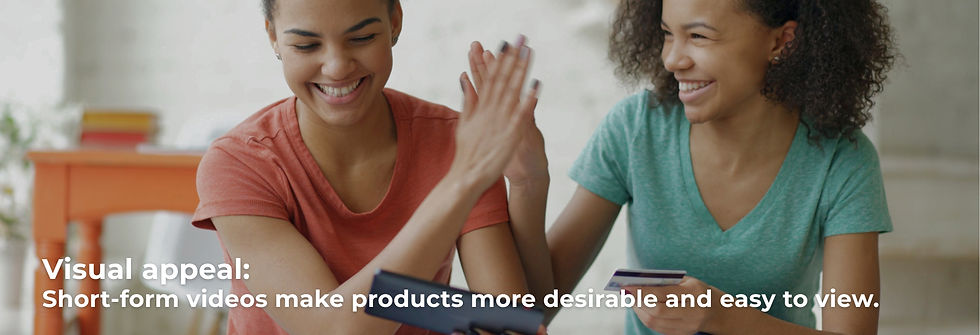

For retailers, speed matters. If a trending product is available in-store when demand peaks, brands can capitalize on the moment before the trend fades.
Bridging the Gap Between Online Trends and In-Store Experiences
To maximize sales, retailers must create a seamless connection between digital trends and the physical shopping environment. Here are several ways brands can do this:
1. Highlight Trending Products In-Store
Create dedicated displays featuring viral or trending items. Signages such as “Trending on TikTok” or “TikTok Made Me Buy It” can instantly capture shopper attention and validate their purchase decisions.
By mirroring what consumers see online, retailers make it easier for shoppers to identify products they already recognize.
2. Leverage In-Store Audio Marketing
While visual merchandising is important, sound is often an underutilized marketing tool.
In-store audio marketing allows retailers to engage shoppers at the point of purchase through strategically timed messages, promotions, and product recommendations.
Imagine hearing:
“Craving the snack everyone’s talking about online? Grab your favorite viral treats today at special prices!”
Audio messages like these can:
Reinforce digital trends shoppers have already seen online
Increase awareness of featured products
Encourage impulse purchases
Create a more engaging shopping experience
Unlike visual displays that shoppers may overlook, audio reaches customers throughout the store, influencing purchase decisions in real time.
When aligned with current social media trends, in-store audio becomes a powerful bridge between digital engagement and physical retail.
3. Create Limited-Time Promotions Around Trends
Social media trends move quickly. Retailers that act fast can capitalize on viral moments by offering:
Bundle deals
Limited-time discounts
Seasonal or trend-based promotions
Creating urgency encourages immediate purchases and taps into consumers’ fear of missing out.
4. Encourage User-Generated Content
Retailers can also bring the experience full circle by encouraging shoppers to share their purchases online.
Simple prompts such as:
“Share your haul!”
“Tag us in your TikTok!”
“Show us your favorite finds!”
You can generate organic content that further fuels the digital-to-physical shopping cycle.
The Future of Retail Is Omnichannel

The rise of the “TikTok Made Me Buy It” phenomenon proves that consumers no longer separate online and offline shopping experiences. Discovery may start on social media, but the final purchase can happen anywhere.
Retailers that successfully integrate digital trends, in-store experiences, and innovative tools like audio marketing will be best positioned to capture demand and drive sales.
In today’s retail landscape, the question is no longer whether social media influences buying behavior, it’s how quickly brands can turn digital engagement into in-store action.
Because in the age of viral content, every scroll is a potential sale.



Comments